
Why it is important to have a properly balanced footwear.
PedaHeel orthotic footwear incorporates decades of professional experience and expertise to address common foot problems that result from unbalanced and unstable walking. Developed in collaboration from consultant podiatrist Brendan J Bergin, PedaHeel brings a professional level of design and correction, with ready to wear availability.
 In most common cases,
PedaHeel non-prescription orthotic footwear should be able to properly realign and remedy the effects of minor foot pronation. The foot and the way in that bodyweight is distributed. PedaHeel footwear was developed combining the principals of biomechanical function interacting with orthotic footwear to alter the forces affecting the foot and the way in that bodyweight is distributed.
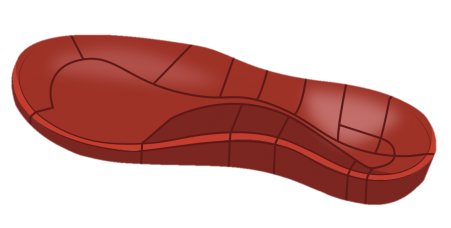
The PedaHeel insole design closely supports the natural contour of the bottom of the heel and arch, creating a larger surface area for weightbearing pressure to be distributed more thorough and evenly, eliminating areas of excessive pressure which can lead to pain.
The treatment of foot discomfort or pain caused by foot pronation by using properly constructed orthoses or orthotic footwear is well established by research, and considered good practice by healthcare professionals.
Key features of
PedaHeel Orthotics Footwear

Postural Control
The firm, contoured insole is designed to match the anatomy of the human foot, providing support to the arch and resisting hyperpronation and flat foot.
Cushioning / Shock Absorption
The variable density insole is designed to absorb ground shock, at key areas in the heel and forefoot, whilst still providing support and control.
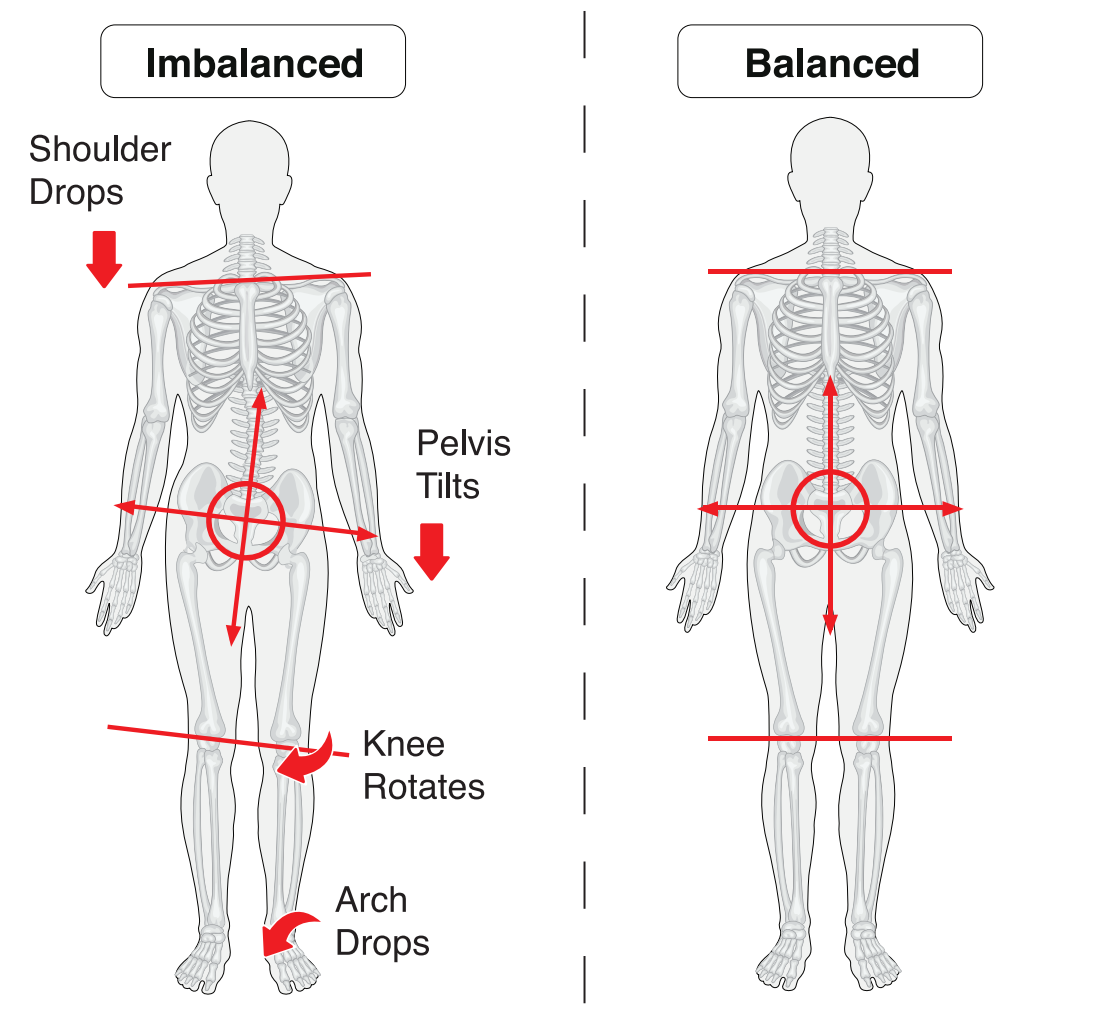

Streamlined Movement
Well ventilated and breathable material to keep feet cooler in warm climates.
Distribution of Pressure
Anatomical design to distribute walking pressure evenly along the entire sole, preventing pressure points on the bottom of the foot.
Common Foot Problems

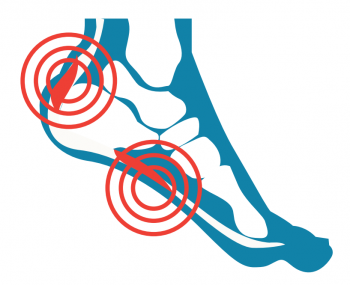 Heel pain and plantar fasciitis may occur at any time of your life but it predominantly affects people aged 40-60 years old, both male and female. It is usually caused by prolonged standing and weight bearing activity, excessive body weight, and advancing age. Excessive hyperpronation focusses additional pressure on the plantar fascial ligament, increasing the chances of symptoms emerging. Effective control of hyperpronated gait is considered a primary long-term treatment for plantar fasciitis.
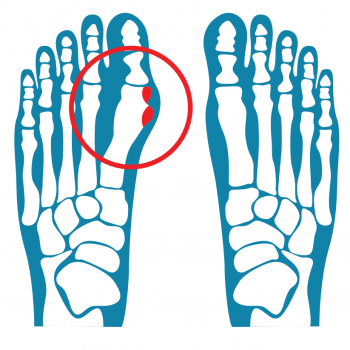 A bunion appears as a painful bony bump that develops on the inside of the foot at the big toe joint. It is usually caused by direct weight bearing pressure on the big toe joint, often in combination with hyperpronated gait and tight footwear, resulting in progressive dislocation and deformity of the joint.
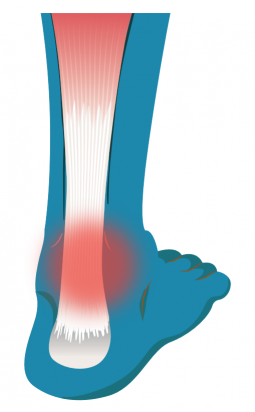 Achilles tendinitis is caused by repetitive or intense strain on the Achilles tendon, and is often seen in combination with hyperpronation and flat foot. Well-structured footwear, with mild heel elevation, cushioning and sufficient arch support shoe should be able to reduce this tension in the Archilles and help alleviate the inflammation.
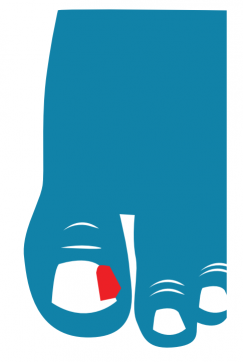 Ingrown toenails occur when the edge of nails grow into the skin, resulting in pain, swelling, and potential infection. Ingrown nails are created by wearing improperly fitted shoes, or shoes which place excessive pressure around the toes. They can also be the result of uncorrected hyperpronated gait, as the toes may be pressed more tightly together as the arch collapses.